Generator Installation on Long Island
Contact All Wired Up Electric Today
Reliable Generator Installation on Long Island, NY
Services in Setauket, East Setauket, Stony Brook, Head of The Harbor, Mount Sinai, and Miller Place.
A professionally installed standby generator provides automatic backup power when the utility goes down, helping homes and businesses stay operational during an outage. All Wired Up provides generator installation near you in Setauket, East Setauket, Stony Brook, Head of the Harbor, and surrounding Long Island communities. With nor'easters, tropical systems, thunderstorms, high winds, and winter weather all capable of disrupting power, a properly sized generator can provide dependable backup power when it matters most.
Information About Generator Installation
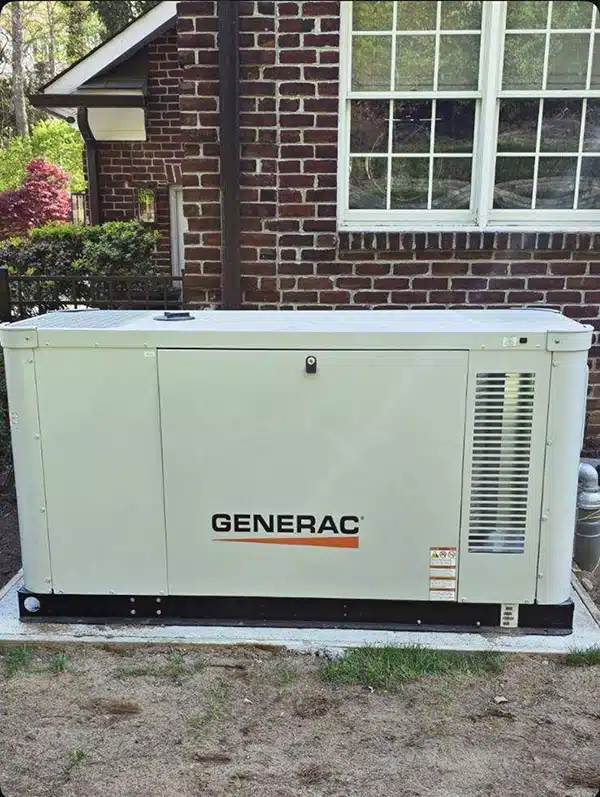
Generator installation involves more than choosing a unit and connecting it to the electrical system. Before installation, an electrician should evaluate the property, existing electrical service, essential loads, available fuel source, and generator placement. All Wired Up installs residential, commercial, and industrial generator systems, including Generac standby generators, with equipment sized around the property's actual backup power needs.
Whole-Home & Standby Generator Installation
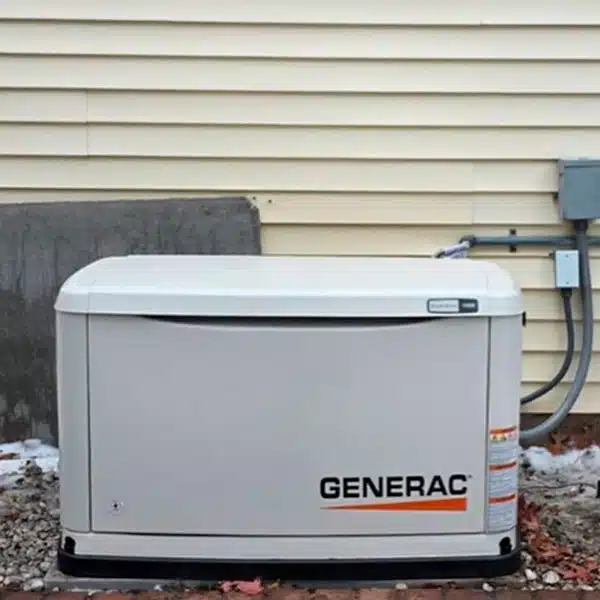
A permanently installed standby generator can automatically provide power when an outage is detected.
- Install whole-home generators for residential backup power
- Install standby generators for selected essential circuits and equipment
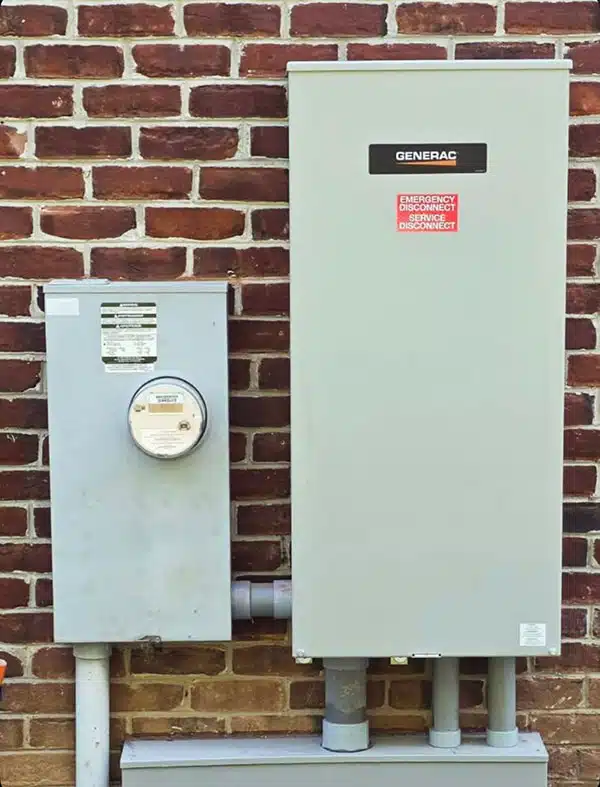
- Install automatic transfer switches for safe power transfer
- Connect natural gas or propane standby generator systems
- Replace or upgrade aging backup generator equipment
- Install Generac generators as a Generac Certified installer
Commercial & Industrial Backup Generators
Businesses and industrial properties may need backup power to protect equipment, maintain operations, or reduce disruption during an extended outage.
- Install commercial standby generator systems
- Install industrial backup generators for critical electrical loads
- Size generators around the equipment that needs backup power
- Install automatic transfer switches for commercial applications
- Plan backup power for refrigeration, security, HVAC, and other essential systems
Planning a Generator Installation
The right generator depends on the property, electrical demand, and what needs to remain powered during an outage.
- Calculate electrical loads before selecting generator capacity
- Evaluate the existing electrical service and panel
- Determine appropriate generator and transfer switch placement
- Review natural gas or propane options for the property
- Plan for required clearances, electrical requirements, and permitting
Long Island properties can present additional considerations, including older electrical systems and coastal exposure to salt air and moisture. Generator placement, equipment selection, fuel availability, and existing electrical capacity should all be considered before installation begins. A licensed electrician can coordinate these details so the generator and transfer equipment are properly matched to the property. Customers should know the project scope and price at the estimate, with any changes discussed and approved before additional work is completed.
Why Choose All Wired Up
- 20+ Years of Experience:
A Master Electrician brings more than 20 years of electrical experience to generator projects. - Generac Certified:
Customers interested in Generac standby generators can work with a certified installer familiar with the equipment. - Clear Project Communication:
Customers receive the project scope and price at the estimate, and changes are approved before moving forward. - Licensed & Insured:
All Wired Up is a licensed and insured, locally owned family electrical business serving Long Island. - 1-Year Workmanship Warranty:
Generator installation workmanship is backed by a one-year warranty, with follow-up after the project to make sure the work was completed properly.
Prepare Your Property for the Next Power Outage
A standby generator can provide dependable backup power for homes, businesses, and industrial properties before the next extended outage occurs. For generator installation in Setauket, East Setauket, Stony Brook, Head of the Harbor, and surrounding Long Island communities, call All Wired Up at 631-474-2244 to discuss your property and backup power needs.
FAQs - Ask Your Local Generator Installer
The right standby generator size depends on which electrical loads you want to operate during an outage, not simply the size of your home or building.
An electrician can calculate the expected load and help determine whether you need backup power for selected equipment or a larger portion of the property. Important loads may include:
- Heating or cooling equipment
- Refrigerators and freezers
- Sump or well pumps
- Lighting and essential circuits
- Security and communication equipment
- Commercial or industrial equipment
Proper sizing matters because an undersized generator may not reliably handle the required load, while unnecessarily oversizing the system can increase the project's cost.
A whole-home generator is a type of standby generator designed and sized to support most or all of a home's planned electrical loads during an outage.
"Standby generator" is a broader term for permanently installed equipment that can automatically supply backup power. Depending on the design, it may power:
- Selected essential circuits
- Major appliances and mechanical equipment
- Most of a home's electrical system
- Commercial or industrial critical loads
The best setup depends on what you want to keep running, the property's electrical demand, and the available generator capacity.
An automatic transfer switch allows a standby generator system to transition designated electrical loads from utility power to generator power when an outage occurs.
During a typical outage, the system is designed to:
- Detect the loss of utility power
- Start the standby generator
- Transfer the designated electrical load to generator power
- Continue supplying backup power during the outage
- Return the property to utility power when service is restored
The transfer switch is an important part of a permanent standby generator installation because it manages the safe transition between utility and generator power.
A transfer switch and an interlock kit both help prevent generator power from being connected to the utility supply at the same time, but they operate differently.
A transfer switch is commonly used with permanently installed standby generators and can provide automatic operation. An interlock kit is generally associated with a manual generator setup and requires the user to operate the system correctly.
For an automatic standby generator, the transfer switch is a key component because it allows the generator to respond to an outage without requiring someone to manually change the home's power source.
Generator installation cost depends on the equipment selected and the amount of work required to safely integrate it with the property.
Common cost factors include:
- Generator size and capacity
- Whole-home versus selected-load backup
- Automatic transfer switch requirements
- Natural gas or propane setup
- Generator location and installation requirements
- Existing electrical service and panel condition
- Commercial or industrial power requirements
All Wired Up reviews the scope and price during the estimate. If something changes during the project, the change is discussed and approved before additional work moves forward.
Standby generators can provide automatic backup power when Long Island storms or other utility interruptions cause an outage.
Local conditions that can contribute to outages include nor'easters, tropical systems, thunderstorms, high winds, snow, and ice. Coastal conditions can also make generator placement and equipment protection important considerations.
For properties in Setauket, East Setauket, Stony Brook, Head of the Harbor, and surrounding communities, generator planning should account for the property's electrical system, fuel availability, equipment location, and the loads that need to remain powered.